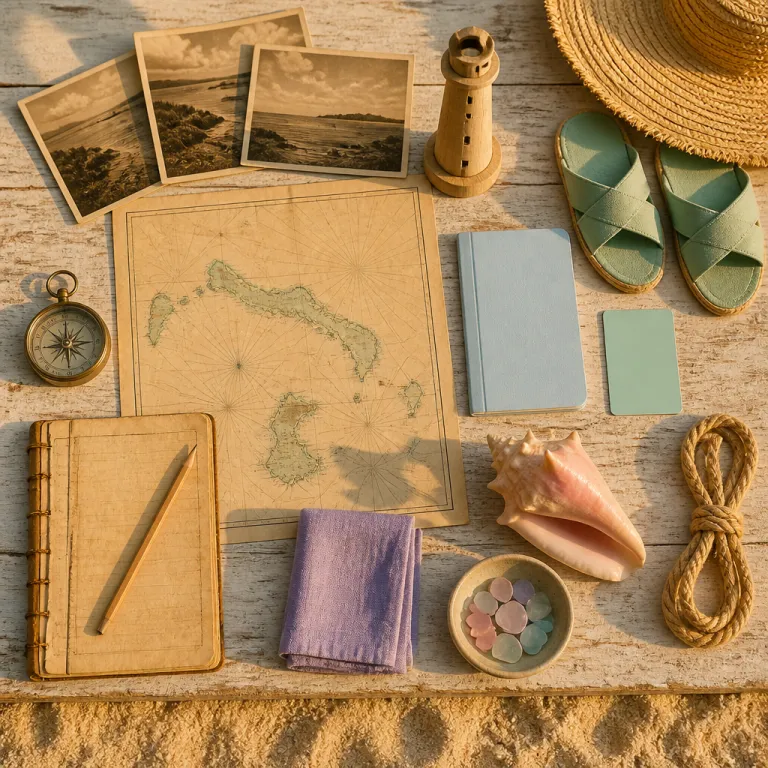
From Taino roots to british overseas territory status
When you book a stay in Turks and Caicos, you are stepping into a layered story that began with the Taíno and Lucayan peoples long before any Turk sailor or British chart appeared on a map. Their presence across the Caicos Islands and the smaller cay outcrops shaped early life around fishing, canoe routes, and the fertile flats that later fed the salt industry, which still defines much of Turks and Caicos British territory history. For a traveller choosing a hotel on Providenciales or Grand Turk, understanding this deep history of the islands gives context to every beach walk and every visit to a local museum.
European contact started when Christopher Columbus likely sighted the islands Turks region in 1492, a moment that shifted the history Turks narrative from relatively isolated communities to a crossroads between the Bahamas, the future United States, and the wider Atlantic world. By the late seventeenth century, Bermudian settlers arrived to exploit the natural salt pans on Grand Turk and Salt Cay, turning the quiet Caicos landscape into a strategic asset for the British Crown and anchoring the salt industry at the heart of Turks Caicos economic life. When you stand today on the waterfront near a hotel in Grand Turk, you are looking at the same harbour where salt-laden ships once departed for international markets under tight colonial government control.
The British move to formalise control over the islands came gradually, as the British government linked the Turks Islands first to the Bahamas and later to Jamaica before recognising the Caicos Islands as a distinct unit within a British overseas framework. This evolving relationship with the United Kingdom, which culminated in separate colony status in 1973 and British Overseas Territory designation in 2002, eventually produced the modern overseas territory status, with a governor representing the Crown and a local government managing daily affairs from Grand Turk. For guests comparing resorts in Grace Bay on Providenciales with quieter retreats on North Caicos or South Caicos, this constitutional history explains why the islands feel both distinctly Caribbean and firmly connected to British institutions.
Salt, trade and the making of grand turk and salt cay
Long before Grace Bay became a byword for luxury stays, the shallow waters around Grand Turk and Salt Cay were the engine of the salt industry that underpins much of Turks and Caicos British territory history. Bermudian settlers engineered vast salt pans, using sun, wind, and carefully managed water flows to crystallise salt that supplied the British navy and merchants across the Atlantic. When you choose a hotel on Grand Turk today, you are often only a short walk from the remnants of these salt ponds that once made the islands Turks indispensable to the British Empire.
The salt industry did more than generate wealth, because it fixed Grand Turk as the administrative centre where the governor, the early chief minister, and later elected leaders oversaw both trade and local affairs. Warehouses, wharves, and customs houses grew up along the waterfront, and this compact urban fabric still shapes where modern guesthouses, inns, and larger hotels can operate in the historic core. Staying in this area allows you to see how the government quarter, the salt merchants’ homes, and the working harbour all intersected to create a distinctive Caicos national identity within the broader British overseas network.
Salt Cay offers a quieter, more intimate window into this same history Turks narrative, with windmills, boiling houses, and stone walls preserved almost in situ beside the sea. Guests who choose a small property here trade extensive amenities for the rare chance to sleep within sight of the very salt fields that once tied the islands to the Bahamas and the United States through constant maritime traffic. As one Salt Cay guide likes to say, “You can still taste the salt in the breeze when the tide is right,” a line often repeated on local tours and in Turks and Caicos National Museum notes. For travellers who care about heritage, a night on Salt Cay complements a longer stay on Providenciales or North Caicos, giving a fuller sense of how salt, water, and British policy combined to shape Turks Caicos as an overseas territory of the United Kingdom.
From colonial administration to modern self government
As the salt industry waned in the late nineteenth and early twentieth centuries and tourism rose after the 1960s, the political story of the Caicos Islands shifted from distant colonial rule to a more assertive local government that still operates under the British flag. Grand Turk remained the seat of power, where the governor appointed by the United Kingdom works alongside elected representatives who manage daily affairs for Providenciales, North Caicos, Middle Caicos, South Caicos, and the smaller cay communities. When you book a hotel, you benefit from this stable constitutional arrangement, which underpins infrastructure, safety, and international air links that bring guests from the United States, Europe, and beyond.
Turks and Caicos has seen periods of intense political debate, including the era when Michael Misick served as chief minister and later premier between 2003 and 2009, a time that drew close scrutiny from the British government. The Misick years highlighted the tension between rapid tourism growth on Providenciales, especially around Grace Bay, and the need for transparent governance across all the islands Turks communities. For visitors, the outcome has been a renewed emphasis on regulatory oversight, planning controls, and environmental standards that shape where and how new resorts and smaller hotels can be built along the coast.
Today, the territory’s status as a British overseas jurisdiction means that English common law, a trusted judiciary, and clear property rules support both international investors and local families who operate guesthouses on North Caicos or Middle Caicos. This framework reassures travellers that contracts, consumer protections, and safety regulations are enforced consistently from Grand Turk to South Caicos and the more remote East Caicos area. When you compare accommodation options, you are indirectly weighing the results of decades of constitutional evolution that have balanced autonomy with the security of remaining under the umbrella of the United Kingdom.
How geography of the islands shapes where you stay
The Turks Islands and the Caicos Islands form two distinct clusters, and this geography is central to understanding both Turks and Caicos British territory history and your hotel choices. The Turks group, anchored by Grand Turk and Salt Cay, has long served as the administrative and historical heart, while the larger Caicos platform hosts Providenciales, North Caicos, Middle Caicos, East Caicos, and South Caicos. Each island and cay offers a different balance of heritage, water access, and tranquillity, which is why travellers often split their stay between Providenciales and at least one quieter island.
Providenciales, often shortened to Provo, is the main tourism hub where Grace Bay’s long arc of sand hosts many of the territory’s leading resorts and full service hotels. Its modern airport handles most international flights from the United States, Canada, and Europe, making it the practical entry point for guests who then connect by domestic plane or boat to North Caicos, South Caicos, or Grand Turk. While Provo feels contemporary, its rapid rise is still part of history Turks, marking the shift from a salt and subsistence economy to a service driven industry that now dominates the islands Turks narrative.
By contrast, North Caicos and Middle Caicos offer a slower rhythm, with smaller properties that appeal to travellers who value quiet beaches, local food, and easy access to nature. These islands sit close to the Caicos barrier reef, where clear water and mangrove channels recall the environment first used by Taíno and Lucayan communities long before any British governor arrived. Choosing to spend a few nights here, then returning to a larger hotel on Providenciales or Grand Turk, lets you experience both the modern comforts of a thriving tourism industry and the older, more rural side of Turks Caicos life.
Heritage sites, museums and what they reveal for guests
For travellers who want their hotel stay to include meaningful cultural experiences, the national museum on Grand Turk is an essential stop in understanding Turks and Caicos British territory history. Exhibits trace the story from the Taíno and Lucayan peoples through the salt industry boom, the arrival of Bermudian settlers, and the gradual consolidation of British rule as an overseas territory of the United Kingdom. When you walk back to your room after visiting the museum, the colonial streets, churches, and waterfront warehouses around you feel less like scenery and more like chapters in a living narrative.
The national museum also addresses the complex modern era, including the period when Michael Misick served as chief minister and later premier, and the subsequent return to more direct oversight by the British government in 2009. This context helps visitors understand why governance, transparency, and planning rules matter so much in a small island system where tourism is the dominant industry. Guests staying on Providenciales, especially near Grace Bay, can see the results of these policies in carefully regulated coastal development, protected water quality, and the preservation of public access to key stretches of beach.
Beyond Grand Turk, smaller heritage sites on Salt Cay, North Caicos, Middle Caicos, and South Caicos reveal how local communities adapted to shifting economic tides. Restored salt works, old plantation ruins, and modest churches show how people navigated links with the Bahamas, trade with the United States, and the authority of distant British officials. Choosing excursions from your hotel to these places turns a simple beach holiday into an informed journey through history Turks, where every island and cay adds another layer to the story of Turks Caicos as a Caicos national community within the wider British overseas family.
What turks and caicos history means for your hotel choice today
Understanding Turks and Caicos British territory history is not just an academic exercise, because it directly shapes the experience you will have in your chosen hotel. The long relationship with the United Kingdom and the status as a British overseas territory underpin reliable infrastructure, stable currency, and strong links to international markets that support high service standards in resorts from Grace Bay to Grand Turk. When you compare properties, you are benefiting from decades of investment encouraged by this political stability and by close ties to the United States and the Bahamas.
The legacy of the salt industry and maritime trade still influences where accommodation clusters, with historic cores on Grand Turk and Salt Cay offering character filled stays, while newer developments on Providenciales and parts of North Caicos and South Caicos provide more contemporary options. Local families, many with roots in salt, fishing, or inter island commerce, now work across the tourism industry, bringing deep knowledge of the islands Turks environment and culture into front desk conversations and guided excursions. Choosing a property that highlights local food, heritage tours, or partnerships with the national museum can turn your visit into a direct contribution to cultural preservation.
Finally, the modern governance framework, from the governor’s office on Grand Turk to the elected representatives who oversee planning on each island and cay, continues to balance growth with environmental protection. This is why water quality remains high, beaches stay clean, and sensitive areas near East Caicos or remote cays are carefully managed even as tourism expands. As you plan your stay, keeping this history Turks context in mind will help you select not only the right island and hotel, but also the kind of experience that aligns with the long, intricate story of Turks Caicos within the wider British and international world.
Key figures that frame turks and caicos british territory history
- The Turks and Caicos Islands consist of about 40 islands and cays, of which 9 islands are inhabited, according to the Turks and Caicos Islands Government, a scale that explains why accommodation is concentrated on Providenciales, Grand Turk, and a few Caicos Islands.
- The population of the territory is approximately 50,000 people, based on 2022 data from the Statistics Authority of the Government of the Turks and Caicos Islands, which means tourism capacity must be carefully managed to protect local life while welcoming international guests.
- Historical records, summarised by the Turks and Caicos National Museum, show that Bermudian settlers formally developed salt extraction on Grand Turk and Salt Cay in the late seventeenth century, turning these small islands into strategic assets for the British Crown and laying the foundations for later tourism focused economies.
- Turks and Caicos became a separate British colony in 1973 after earlier administrative links to the Bahamas and Jamaica, a constitutional shift that set the stage for its current status as a British overseas territory with its own local government and governor.
FAQ: turks and caicos british territory history for hotel guests
Who were the original inhabitants of Turks and Caicos ?
The original inhabitants of Turks and Caicos were the Taíno and Lucayan peoples, whose fishing grounds, canoe routes, and settlements stretched across the Caicos Islands long before British or other European powers arrived. Their legacy survives in archaeological sites and in the way local communities still rely on the sea and coastal flats. Visitors can learn more about this early period at the national museum on Grand Turk and through guided tours on North Caicos and Middle Caicos.
When did the British gain control of the islands ?
The British gained effective control of the islands in the late eighteenth century, after Bermudian settlers had already established the salt industry on Grand Turk and Salt Cay. Over time, the British government formalised this authority through administrative links to the Bahamas and Jamaica before recognising Turks and Caicos as a distinct colony. This gradual consolidation is a key chapter in Turks and Caicos British territory history and explains the enduring presence of a governor and British institutions today.
What was the main industry established by early settlers ?
The main industry established by early settlers was salt extraction, centred on the natural salinas of Grand Turk and Salt Cay and later influencing parts of South Caicos. Bermudian settlers engineered ponds, canals, and windmills to harvest salt for export to the British navy and commercial fleets. The wealth and infrastructure generated by this salt industry laid the groundwork for later tourism development and for the compact urban layout you see today around many hotels on Grand Turk.
When did Turks and Caicos become a separate British colony ?
Turks and Caicos became a separate British colony in 1973 after a long period of being administered first with the Bahamas and then with Jamaica, reflecting shifting priorities within the British Empire. This change allowed the islands to develop a more distinct local government while remaining under the authority of the United Kingdom. The modern status as a British overseas territory, confirmed in 2002, is the direct successor to that colonial arrangement and underpins the legal and economic framework that supports today’s tourism industry.
How does this history affect where I should book my hotel ?
The historical roles of each island strongly influence the character of today’s accommodation options, so your understanding of Turks and Caicos British territory history can guide your booking. Grand Turk and Salt Cay offer stays immersed in colonial and salt industry heritage, while Providenciales and parts of North Caicos and South Caicos provide more contemporary resorts and larger hotels. By combining a few nights in the historic Turks Islands with time on the Caicos Islands, you can experience both the administrative heart and the modern tourism hub of this British overseas territory.
Sources
Turks and Caicos Islands Government ; Statistics Authority of the Government of the Turks and Caicos Islands (2022 population estimates) ; Turks and Caicos National Museum.