Reading the islands through turks and caicos local culture and customs
Every stay in Turks and Caicos becomes richer when you notice how turks and caicos local culture and customs quietly guide daily life. The islands form a British Overseas Territory in the northern Caribbean, yet the rhythm you feel in each island comes from African heritage, Bahamian migration, and centuries of maritime trade and seafaring. When you choose a hotel on any island, from Providenciales to South Caicos, you are stepping into a living story rather than a neutral resort zone or anonymous beach strip.
The population of this territory is relatively small, with a population around 47,000 people according to recent World Bank estimates, so guests quickly notice how closely local communities and visitors interact in shared spaces. That compact population means that the culture of the islands, often called caicos culture or simply TCI culture, is visible in grocery stores, roadside grills, and churchyards, not only during a festival held for tourists or cruise ship passengers. When you book in Grace Bay, Long Bay, or near Turtle Cove, you are never far from a settlement where residents balance tourism with preserving their own way of life and passing it to younger generations.
Understanding this balance helps you select a hotel that respects turks and caicos local culture and customs instead of isolating you from them behind resort walls. Some properties in Providenciales, often shortened to Provo, now partner with local artisans and musicians to showcase ripsaw music and straw work in their lobbies and lounges. Others on quieter parts of the island or on neighbouring cays focus on low rise architecture and landscaping that echo the traditional relationship between each island and the sea, which many Turks and Caicos Islanders still view as their first source of food, income, and identity.
From salt industry to luxury stays: history shaping where you sleep
The history of Turks and Caicos is inseparable from salt, and that history still shapes where hotels stand and how they operate today. For centuries the salt industry on Grand Turk and South Caicos turned shallow salinas into economic engines, and the legacy of that salt industry now appears in restored buildings, museum exhibits, and even in the names of guesthouses and inns. When you walk through Cockburn Town on Grand Turk or the main settlement on South Caicos, you see how history in Turks and Caicos mixes colonial ruins, churches, and colourful clapboard homes that now sometimes host intimate lodgings and family run hotels.
Many travellers still focus on the newer resorts of Providenciales, yet the older islands Turks and Caicos once relied on for salt exports offer a very different atmosphere. On these islands the culture feels slower, and turks and caicos local culture and customs are visible in front yard conversations, Sunday services, and small harbours where fishermen unload conch and lobster at the end of the day. Choosing a stay on Grand Turk or South Caicos rather than only in Grace Bay or Long Bay lets you experience how the territory moved from salt to tourism over the years without losing its identity or sense of place.
Even in Providenciales, reminders of that history across Turks and Caicos appear in place names such as Turtle Cove and Blue Hills, where early settlements grew around safe anchorages and salt shipping points. Some hotels now weave this history into their design, using photographs of the salt industry, maps of the caicos islands, and stories from elders to explain how communities adapted from salt raking to hosting international visitors. When you evaluate properties, ask how they interpret local history and heritage, because the answer reveals how seriously they take both culture and community.
Music, ripsaw rhythms, and evening life around your hotel
After sunset, turks and caicos local culture and customs come alive through music, especially in bars and courtyards near hotels and guesthouses. The best known local sound is ripsaw music, a genre where musicians scrape a metal saw with a knife or screwdriver to create a driving rhythm and shimmering percussion. According to local explanations, “What is ripsaw music?” and “A traditional genre using a saw blade for rhythm.” often appear together in visitor guides because the instrument itself fascinates guests and sparks conversation.
On Providenciales, you can hear ripsaw music in venues around Grace Bay, in Turtle Cove, and occasionally on Bay Beach during community events and holiday celebrations. Some hotels schedule weekly performances so guests can experience both traditional ripsaw music and modern Caribbean fusions that blend it with reggae, soca, and gospel influences from the Bahamas and wider Caribbean islands. As one local band leader explained during a National Heroes Day event, the saw “keeps the old sound alive while we add new flavours,” and when a festival held near your hotel includes ripsaw bands, dance troupes, and church choirs, you witness how music, religion Turks and Caicos practices, and family life intersect in everyday celebrations.
Outside the main tourist strips, smaller bars on each island host informal jam sessions where local musicians test new songs and revive old standards. Joining these evenings respectfully, perhaps after asking your hotel concierge for guidance, lets you see how caicos culture uses music to maintain community ties across the islands. Over the years, this musical tradition has become a point of pride for TCI residents, and many hotels now highlight it in their marketing to show that staying in Turks and Caicos means more than simply lying on a bay beach with a cocktail in hand.
Conch, caicos cuisine, and respectful dining choices
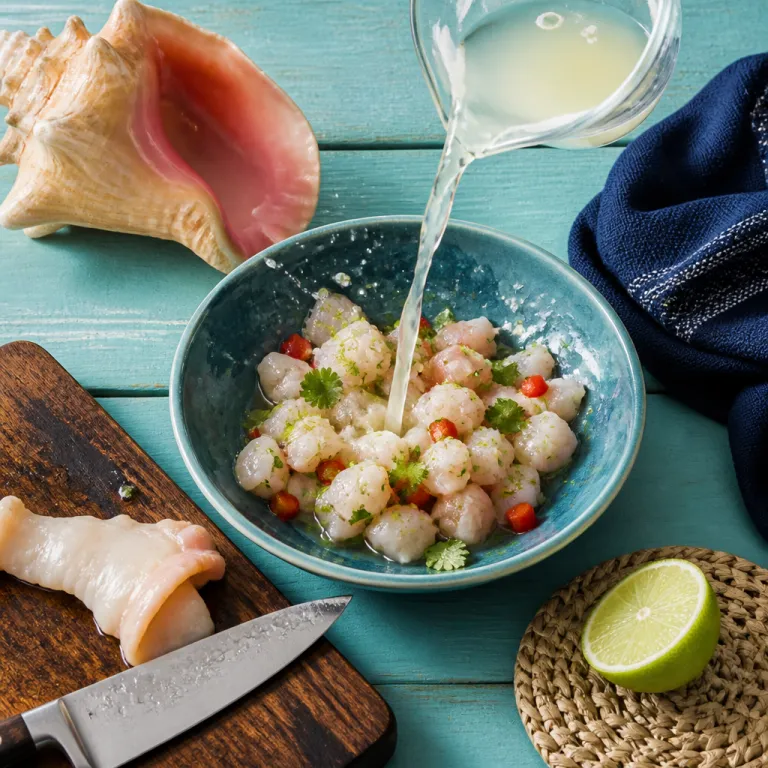
Food is one of the clearest ways turks and caicos local culture and customs will shape your stay, especially through conch based dishes and seafood platters. The queen conch is a large marine snail whose meat appears in many traditional dishes conch lovers seek out, including conch salad, cracked conch, and conch fritters. Around Turtle Cove, Grace Bay, and Long Bay, restaurants near hotels often specialise in these dishes conch recipes, while beach shacks on quieter stretches of island coastline serve simpler plates to local regulars and visiting families.
When you order these dishes conch preparations, you are tasting a resource that has fed the population Turks and Caicos Islanders for generations. Many families once relied on conch, lobster, and reef fish to supplement low wages from the salt industry, and that history still informs how people talk about food and work and the sea. You will also see conch shells decorating gardens, hotel entrances, and pathways, since conch shells have long been used as boundary markers, musical horns, and even improvised tools on every cay and island.
Responsible travellers now ask how restaurants source their seafood, because conch populations across the Caribbean have faced pressure in recent years. Choosing venues that follow international guidelines and local regulations helps protect both the marine environment and the livelihoods of fishers in TCI. When your hotel recommends a restaurant, ask about its approach to sustainability and seasonal menus, and you will quickly learn which businesses treat caicos culture and the surrounding islands department of marine resources with respect.
Religion, etiquette, and everyday customs around your resort
Politeness and faith play a central role in turks and caicos local culture and customs, and visitors notice this as soon as they leave their hotel lobby or villa. Christianity is the dominant religion Turks and Caicos wide, and Sunday remains a special day when many residents attend church, visit family, and avoid heavy work or loud activities. Casual attire is common; beachwear is for beaches, so packing light cover ups and modest outfits for town visits shows respect for local expectations and social norms.
Simple gestures matter in this territory, where people often greet strangers with a warm “Good morning” or “Good afternoon” before asking any question. Greet with a handshake, accept that dress modestly in public areas is appreciated, and avoid feeding wildlife, especially around protected beaches and cays and nesting sites. These small acts align you with the culture of the islands and make interactions with staff, taxi drivers, and shopkeepers around Providenciales, Grand Turk, and South Caicos more relaxed and enjoyable.
Hotels that understand turks and caicos local culture and customs often brief guests on these norms at check in, sometimes through a short leaflet or welcome talk. They may also coordinate visits to local churches, cultural centres, or community events so guests can see how religion Turks and Caicos practices, music, and family gatherings structure the week. As one community liaison for a Providenciales resort put it, “When guests understand why Sunday is quiet and greetings matter, they feel less like tourists and more like neighbours,” and when you choose a property that invests in this kind of orientation, you gain more than a room on an island; you gain access to the social fabric that makes the caicos Turks and Caicos territory distinctive.
Choosing where to stay: matching hotels to caicos culture
Location is the single biggest factor in how strongly turks and caicos local culture and customs will shape your stay. Grace Bay on Providenciales offers one of the most famous beaches in the Caribbean, with a long curve of white sand and clear water that has attracted international attention and awards. Hotels along Grace Bay and nearby Long Bay tend to focus on beach access and amenities, yet many now partner with local guides, artists, and historians to connect guests with the wider islands Turks and Caicos story and everyday life.
If you want a deeper immersion in caicos culture, consider staying near older settlements such as Blue Hills on Providenciales, Cockburn Town on Grand Turk, or the main village on South Caicos. In these areas, you are more likely to encounter fishermen cleaning conch shells on the shore, elders sharing stories about the salt industry, and children practising ripsaw music rhythms outside community centres and schoolyards. Hotels and guesthouses here may be smaller, but they often have stronger ties to local suppliers, from farmers on North Caicos to artisans on nearby cay communities.
Travellers who split their time between a Grace Bay resort and a quieter island or cay often report the most balanced experience. They enjoy the comfort and dining options of the main tourism hub while still seeing how the population Turks and Caicos Islanders live beyond the resort corridor and cruise pier. When you plan your itinerary, think of Turks and Caicos not as a single island but as a network of islands, cays, and communities, each adding a different layer to the culture that will shape your memories long after you leave the territory.
Key figures that frame turks and caicos local culture and customs
- The population of Turks and Caicos is about 47,000 people, a small population that makes interactions between visitors and residents more frequent than in many larger Caribbean destinations (World Bank, 2023 estimate).
- Turks and Caicos receives around 1.5 million tourist arrivals per year, a volume that far exceeds the resident population and explains why tourism now rivals the historic salt industry as the main economic driver (Turks and Caicos Tourism Board, recent reporting).
- Providenciales, often called Provo, hosts the majority of hotel rooms in the territory, which concentrates tourism infrastructure along Grace Bay while leaving other islands and cays with a more traditional feel (Turks and Caicos Tourism Board data).
FAQ about turks and caicos local culture and customs for hotel guests
Is English widely spoken in Turks and Caicos hotels and towns?
Yes, English is the official language, and hotel staff, taxi drivers, and most shopkeepers use it daily with both local residents and international visitors. You may also hear Caribbean English dialects influenced by the Bahamas and other islands, especially in informal settings. Learning a few local phrases is appreciated, but you will have no difficulty communicating in standard English across the territory.
What is ripsaw music, and where can I hear it during my stay?
Ripsaw music is a traditional Turks and Caicos genre that uses a hand saw scraped with a metal object to create a distinctive percussive rhythm. You can often hear ripsaw music at cultural events, in bars around Grace Bay and Turtle Cove, and during any festival held to celebrate national holidays or community milestones. Some hotels on Providenciales and Grand Turk now schedule regular performances so guests can experience this part of caicos culture without leaving the property.
Are there specific dress codes I should follow outside my resort?
Casual clothing is widely accepted, but beachwear should stay on the beach or by the pool rather than in town centres or churches. Many residents appreciate modest dress in shops, government offices, and during visits to sites connected with religion Turks and Caicos traditions. Light, breathable fabrics that cover shoulders and midriffs work well in the climate while still respecting turks and caicos local culture and customs.
How can I support local culture while staying in Turks and Caicos?
Choose hotels and tour operators that employ local staff, feature local music, and source food from island producers whenever possible. Spend time in neighbourhood restaurants that serve traditional dishes conch based and attend community events or markets advertised through your hotel concierge. Buying crafts made from sustainable materials rather than fresh conch shells also helps protect marine life while supporting artisans across the caicos islands.
Is it safe and respectful to explore villages away from the main resorts?
Villages across the islands are generally welcoming, especially when visitors greet people politely and follow basic etiquette such as asking before taking photographs. Hotel staff can recommend specific areas, from historic streets on Grand Turk to fishing communities on South Caicos, where turks and caicos local culture and customs are particularly visible. Walking or taking a guided tour through these areas offers insight into everyday life that you will never gain by staying only on a single bay beach.
Sources
- World Bank – Population data for Turks and Caicos Islands (latest available figures).
- Turks and Caicos Islands Tourism Board – Visitor statistics and tourism insights.
- National Museum of Turks and Caicos Islands – Historical background on salt industry and cultural heritage.