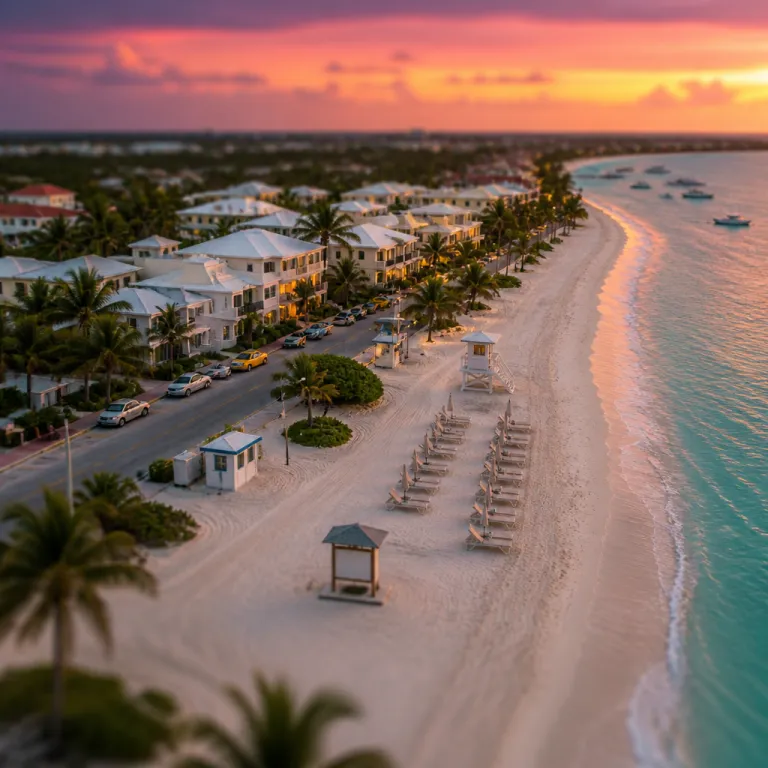
Why turks and caicos UK foreign office travel advice matters for hotel bookings
Before you book a room overlooking the turquoise water in Turks and Caicos, you should understand how official guidance shapes a safe stay. The Foreign, Commonwealth & Development Office issues turks and caicos UK foreign office travel advice to help British travellers balance dream island escapes with real world risk, especially in the most visited areas. When you plan any islands travel, treating that official travel advice as essential reading is as important as comparing room categories or beach access.
The FCDO travel pages for the Caicos Islands explain how to exercise a high degree of caution in specific districts, which directly influences where discerning guests choose to sleep. That FCDO travel guidance is based on information from local authorities and the Turks and Caicos Islands Government, so it reflects current patterns of crime, health concerns and seasonal threats such as the hurricane season. When you are travelling for leisure, using this structured UK travel advice for Turks and Caicos helps you filter hotel options on Providenciales, Grand Turk and smaller Caicos islands with a clear view of safety and security rather than marketing promises alone.
Official travel advice also clarifies entry requirements that can affect your arrival experience at the hotel front desk. If your passport or immigration documents do not meet those entry requirements, even the most attentive hotel team cannot solve the problem at the border. Reading the latest UK foreign travel guidance for Turks and Caicos before you confirm non refundable rates ensures your travel Turks plans, airport transfers and first night stay align with immigration rules and any public health measures in force.
Last updated: April 2024. Always check the latest FCDO foreign travel advice for Turks and Caicos Islands on the UK government website before you book or travel, as conditions and guidance can change.
Understanding crime, areas of higher risk and how this shapes where you stay
Recent guidance notes concerns about gang related crime on Providenciales, which is where many luxury properties cluster along Grace Bay. That is why the turks and caicos UK foreign office travel advice urges travellers to exercise a high degree of caution in certain urban areas, especially after dark and away from main resort corridors. When you compare hotels, you should read the safety and security section of the travel advice alongside maps and local descriptions of surrounding neighbourhoods.
Crime in Turks and Caicos is often concentrated in specific areas rather than on resort beaches, yet incidents can still affect visitors who are travelling between the airport and their hotel or exploring local nightlife. The FCDO travel pages highlight that serious crime does occur, which is a clear signal to plan routes and timings with care and to stay alert in busy public places. Ask your chosen property about their liaison with local authorities, their private security arrangements and whether they provide guidance for guests who wish to visit local restaurants beyond the main strip.
On Grand Turk and some quieter Caicos islands, the overall risk profile may feel lower, but the official UK travel advice for Turks and Caicos still recommends a high degree of personal awareness. You should avoid isolated beaches after sunset, keep valuables out of sight in public and use licensed taxis arranged through your hotel concierge whenever possible. Responsible hotels will echo this official UK travel advice in their pre arrival emails, helping you monitor local developments and adapt your plans round any emerging concerns.
For example, a boutique hotel on Providenciales might email guests a simple map showing streets to avoid at night, recommended taxi companies and the safest walking routes between the property, the beach and nearby restaurants. One recent guest described how a short safety briefing at check in, based on FCDO guidance and Turks and Caicos Islands Police Force updates dated March 2024, made them feel more confident about exploring local bars after dark.
Health, water safety and medical support near your chosen hotel
Health considerations in Turks and Caicos extend beyond sun protection and spa menus, and they should influence where you decide to sleep. The turks and caicos UK foreign office travel advice confirms that there are health risks such as Zika virus and dengue fever, so travellers should use insect repellent, wear long sleeves in the evening and consult their own doctor before travelling. When you shortlist hotels, check whether mosquito control measures are in place round gardens, pools and water features, and whether rooms are well screened.
Tap water quality can vary between islands, and many properties rely on desalination plants or bottled water for guests. You should read the health section of the travel advice, then ask your hotel whether drinking water is filtered, how ice is produced and what options exist for guests with sensitive stomachs. For families travelling with young children or pregnant travellers concerned about Zika virus, these water and vector control details are as important as the view from the balcony.
Medical facilities on Providenciales are more developed than on smaller Caicos islands, yet capacity remains limited compared with the United Kingdom. The turks and caicos UK foreign office travel advice stresses the need for comprehensive travel insurance that includes medical evacuation, because serious cases may require transfer to another country. When you choose a hotel, consider its distance to the nearest clinic, whether the team can arrange emergency assistance and how quickly an ambulance or private transfer could reach the property in case of a medical emergency.
A useful rule of thumb is to ask the hotel, “If I needed a doctor at 2am, what would happen next?” Properties that can clearly explain their process, including which clinic they use and typical response times, are usually better prepared to support guests in a crisis. On Providenciales, for example, many hotels work with Cheshire Hall Medical Centre and keep the main emergency number, 911, and the hospital switchboard number available at reception.
Travel insurance, emergency assistance and what your hotel can realistically provide
For any stay in Turks and Caicos, robust travel insurance is not an optional extra but a core part of your planning. The official turks and caicos UK foreign office travel advice explicitly recommends that travellers obtain appropriate travel insurance before departure, covering medical costs, cancellation, theft and the possibility of medical evacuation. When you compare policies, ensure that travel Turks trips are named in the geographic coverage and that emergency assistance is available round the clock in English.
Hotels can support you in an emergency, but they cannot replace the role of your insurer or the local authorities. In a medical crisis, the front desk can help you contact your travel insurance provider, arrange transport to a clinic and provide basic translation or logistical assistance, yet they cannot guarantee admission or payment without insurer approval. The same applies to crime incidents, where staff may help you reach the police and offer practical support, but you still need your own documentation and policy number ready for any claim.
Before travelling, store your insurer’s emergency contact details, your policy number and the FCDO travel page for Turks and Caicos on your phone and in printed form. Share these details with your travelling companions and keep a copy in the hotel safe once you arrive, alongside passports and other key documents. If you need emergency assistance during the night, you will then be able to act quickly, coordinating between hotel staff, your insurer and local emergency services without losing precious time.
One frequent traveller described how having a printed copy of their insurance details in the room safe meant the hotel could call the insurer within minutes after a minor accident, avoiding delays while phones were charging or locked away. They also kept the local emergency number 911 and the contact details for the nearest clinic written on the same card for quick reference.
Hurricane season, safety security and choosing resilient properties
The Atlantic hurricane season typically runs from early summer into late autumn, and it has a direct impact on where and when you should book in Turks and Caicos. The turks and caicos UK foreign office travel advice encourages travellers to monitor local weather updates and social media channels from the Turks and Caicos Islands Government during this period. When you plan islands travel at this time, prioritise properties with clear storm procedures, solid construction and flexible booking policies.
Ask prospective hotels how they manage safety security during severe weather, including evacuation plans, generator capacity and water storage. A well prepared property will be able to explain how guests are briefed, how they coordinate with local authorities and what level of service can be maintained if flights are disrupted. This level of operational resilience matters just as much as beachfront access, especially for families or older travellers who may need extra assistance.
Travel insurance should explicitly cover disruptions linked to the hurricane season, including delayed departures, missed connections and enforced extra nights on Turks or Caicos islands. The turks and caicos UK foreign office travel advice often reminds travellers that airlines and hotels are not automatically obliged to cover all such costs, which is why policy wording deserves close attention. By aligning your booking dates, insurance cover and choice of hotel with the seasonal risk profile, you reduce stress and protect the value of your holiday investment.
In practice, this might mean choosing a hotel that offers hurricane guarantees or flexible rebooking, even if the nightly rate is slightly higher, because the overall financial risk to your trip is lower. Some properties also share links to official National Hurricane Center bulletins and local government notices in their pre arrival emails so guests can track any approaching storms.
Practical planning: entry requirements, local transport and staying informed
Entry requirements for Turks and Caicos are straightforward for British nationals, yet they still demand careful checking before you confirm a non refundable stay. The official guidance answers a common question clearly with the statement, “Do I need a visa for Turks and Caicos? No, British nationals can stay up to 90 days without a visa.” Even so, the turks and caicos UK foreign office travel advice explains that your passport must remain valid for the full duration of your trip, and airlines may apply their own rules.
Once you arrive on Turks or Grand Turk, you will usually rely on taxis or hire cars rather than extensive public transport. The travel advice encourages visitors to use licensed providers, wear seat belts and avoid travelling on poorly lit roads at night, especially in unfamiliar areas. When you choose a hotel, ask whether they work with vetted drivers, whether they can arrange airport transfers and how they support guests who wish to explore local beaches, restaurants and cultural sites safely.
Throughout your stay, you should monitor local news and official social media updates for any changes in safety, health or weather conditions. The FCDO website and its social media channels provide FCDO travel alerts, while local authorities share operational updates that may affect water supply, public services or road access. Many hotels now relay key points from this travel advice in daily briefings or digital newsletters, helping travellers stay informed without needing to check multiple sources every hour.
A short arrival briefing at check in, where staff summarise the latest UK travel advice for Turks and Caicos and local notices, can be a strong sign that the property takes guest safety seriously. Some front desks now keep a printed copy of the current FCDO summary, dated with the most recent update, alongside key local emergency numbers for guests to photograph.
Key figures that shape informed hotel choices in Turks and Caicos
- Official FCDO foreign travel advice for Turks and Caicos highlights that serious crime, including armed robbery, does occur on Providenciales, which reinforces the recommendation to exercise a high degree of caution in certain urban areas.
- British nationals can stay in Turks and Caicos for up to 90 days without a visa, which simplifies hotel bookings for typical holiday durations and reduces administrative barriers at the planning stage.
- The FCDO highlights health risks including Zika virus and dengue fever, making comprehensive travel insurance with medical evacuation cover essential for travellers who prefer properties on smaller islands with limited facilities.
- There is no resident British Embassy in Turks and Caicos, so emergency assistance is coordinated through local authorities and the Turks and Caicos Islands Government, which increases the importance of hotel support and insurer hotlines.
- Regular updates to turks and caicos UK foreign office travel advice are issued online and via email notifications, allowing travellers to adjust hotel choices and itineraries in response to evolving safety and security assessments.
When you compare hotels, use these headline points as a quick reference, then read the full FCDO advice to understand how they apply to your specific island, travel dates and style of trip.
FAQ: turks and caicos UK foreign office travel advice for hotel guests
Do I need a visa to stay in a hotel in Turks and Caicos?
British nationals do not need a visa for hotel stays of up to 90 days in Turks and Caicos, provided they meet the standard entry requirements at the border. You must hold a valid passport for the full duration of your trip, and immigration officers may ask for proof of onward travel and accommodation details. Always check the latest turks and caicos UK foreign office travel advice before departure, as rules can change.
How does the FCDO travel advice affect where I should book my hotel?
The FCDO travel advice highlights areas with higher crime levels, seasonal weather risks and health concerns, which should guide your choice of island and neighbourhood. If the guidance recommends a high degree of caution in specific districts, consider properties in better monitored zones or within established resort corridors. Use this information alongside hotel reviews and maps to balance convenience with safety and security.
What kind of travel insurance do I need for a hotel stay in Turks and Caicos?
You should purchase comprehensive travel insurance that covers medical treatment, medical evacuation, cancellation, theft and disruption linked to the hurricane season. The turks and caicos UK foreign office travel advice stresses that local medical facilities are limited, so evacuation to another country may be necessary for serious cases. Confirm that your policy includes 24 hour emergency assistance and that Turks and Caicos is explicitly covered in the geographic region.
Are there specific health risks I should consider when choosing a hotel?
Health risks in Turks and Caicos include mosquito borne illnesses such as Zika virus and dengue fever, as well as routine concerns like sun exposure and hydration. When selecting a hotel, ask about mosquito control, screened rooms, safe drinking water and proximity to medical facilities. Travellers with existing health conditions or pregnancy should seek personalised medical advice before travelling and follow FCDO health guidance closely.
Who can I contact in an emergency if there is no British Embassy?
In an emergency, you should first contact local authorities such as the police, ambulance or fire services using local emergency numbers. Your travel insurance provider’s emergency assistance line and your hotel’s front desk can help coordinate medical care, medical evacuation or support after a crime incident. For consular issues, the turks and caicos UK foreign office travel advice explains which regional British mission is responsible and how to reach them by phone or online.
Sources
Foreign, Commonwealth & Development Office (FCDO) foreign travel advice for Turks and Caicos Islands (consulted April 2024); Turks and Caicos Islands Government public information; Turks and Caicos Islands Police Force crime updates and safety notices.
Always refer directly to the latest official FCDO foreign travel advice for Turks and Caicos Islands for current safety, health and entry guidance before confirming hotel bookings or travelling.
Hotel safety checklist for using turks and caicos UK foreign office travel advice
When you apply UK travel advice for Turks and Caicos to real hotel choices, use a short checklist to keep decisions practical and focused:
- Location: Is the hotel outside any areas where the FCDO urges extra caution, and are routes to and from the airport well lit and busy?
- Security: Does the property have visible security staff, secure room locks, safes and clear guidance on moving around safely after dark?
- Health: Are mosquito control measures, screened rooms and safe drinking water arrangements explained in writing or at check in?
- Medical access: How far is the nearest clinic or hospital, and can staff arrange rapid transport and support if you fall ill?
- Weather planning: During hurricane season, does the hotel have written storm procedures, backup power and flexible booking policies?
- Communication: Does the property share updates based on FCDO travel advice, local alerts and government notices during your stay?
By running through this list before you confirm a non refundable rate, you align your hotel choice with the most important points in the turks and caicos UK foreign office travel advice and give yourself a calmer, more predictable stay.