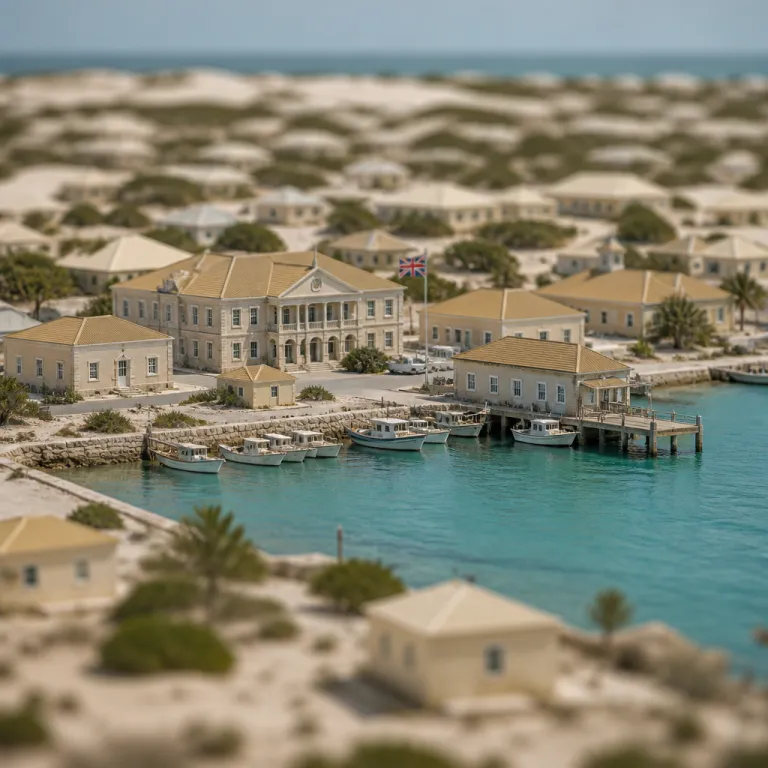
Understanding turks and caicos uk overseas territory status before you book
Turks and Caicos is not an independent country but a British Overseas Territory. This political status means the islands are under the sovereignty of the United Kingdom while keeping a high degree of local self government, which directly influences safety standards, infrastructure and the overall travel experience. When you compare destinations across the north Atlantic and wider North America, this blend of British oversight and islander autonomy gives Turks and Caicos a distinctive balance of reliability and relaxed charm for hotel guests.
The sovereign state is the United Kingdom, and the King is represented locally by a Governor who works alongside elected local Government institutions. According to official constitutional wording, “Turks and Caicos Islands are a British Overseas Territory” and residents of the territory have been entitled to full British citizenship since the British Overseas Territories Act 2002, which reinforces the territory status and its close constitutional link to the British Empire’s modern successor, the contemporary British state. For travellers choosing between the United States, other Caribbean islands British in origin, and these particular islands, that clear constitutional framework often translates into predictable regulations for hotels, transparent property standards and consistent emergency procedures.
For your booking decisions, the turks and caicos uk overseas territory status also shapes practical matters such as travel advice, entry rules and consular support. Official guidance consistently highlights three essentials for visitors: “Verify entry requirements”, “Understand local customs”, “Stay informed about local laws”, and these points are especially relevant when you compare Turks and Caicos Islands with independent territories elsewhere in the north Atlantic. Because the islands form part of the wider network of British Overseas Territories, you benefit from United Kingdom diplomatic backing while still enjoying the atmosphere of a small Caribbean territory with its own identity.
How geography of the islands affects where you stay
The Turks and Caicos Islands stretch across warm north Atlantic waters, forming two main island groups separated by a deep channel. On the western side lie the Caicos Islands, including Providenciales, North Caicos, Middle Caicos, East Caicos and South Caicos, while to the east you find the smaller Turks group anchored by Grand Turk and Salt Cay. When you browse hotel options, this geography matters because each cay and island offers a different rhythm, from lively resort strips to quiet stretches where you may share the beach with only a few fellow guests and a local Caicos Islander fisherman.
Providenciales, often shortened to “Provo”, is the main tourism hub of Turks and Caicos and the place where most visitors first feel how the territory’s link to the UK translates into modern services. Here, large resorts line Grace Bay, yet you still see the influence of the British Overseas framework in well maintained roads, clear signage and regulated coastal development compared with some other territories in North America. Grand Turk, by contrast, is the political centre of the territory, home to Cockburn Town and several small hotels that appeal to travellers who want to stay close to the island’s history as part of the former British Empire trade routes.
Smaller islands such as North Caicos and Middle Caicos offer a quieter stay, where you might choose a guesthouse or villa and rely more on local islander hospitality than on large scale resort amenities. South Caicos has a growing reputation for low key luxury focused on diving and fishing, while Salt Cay remains one of the most tranquil cays in the entire territory, with a handful of intimate places to stay and a strong sense of community. When you evaluate where to book, think about how much time you want to spend in Providenciales versus exploring outlying islands British in heritage, because inter island transfers add both charm and logistical complexity to your trip.
Governance, safety and what they mean for hotel standards
The constitutional structure behind the turks and caicos uk overseas territory status is not just a legal detail; it underpins the environment in which hotels operate. The United Kingdom retains responsibility for defence and external affairs, while internal matters are handled by the local Government through a constitutional framework and legislative processes. For travellers, this division of responsibilities usually results in a stable political climate, clear property regulations and building codes that hotels must respect across the territory.
Local elections choose representatives who shape tourism policy, infrastructure investment and environmental rules that affect resorts from Providenciales to Grand Turk and South Caicos. A Governor appointed by the King works with these elected officials to ensure good governance, protect territorial integrity and promote economic development, which includes the tourism sector that dominates the islands’ economy. Because Turks and Caicos is part of the family of British Overseas Territories, there is also oversight and support from the United Kingdom Government, which tends to reassure visitors comparing safety conditions with destinations in the United States or other Caribbean territories.
For hotel guests, this governance model means that issues such as coastal zoning, environmental conservation and emergency planning are not left entirely to private operators. Resorts on the Caicos Islands, guesthouses on Salt Cay and small hotels on North Caicos all function within a legal framework that has evolved since the days when the islands were linked to the Bahamas and later administered via Jamaica. When you read travel advice before booking, you will often see references to this status as a British Overseas Territory, because it shapes policing standards, disaster preparedness and the level of institutional support available to visitors during their time on the islands.
Practical travel advice shaped by a british overseas territory
Planning a hotel stay in Turks and Caicos involves more than choosing between Grand Turk and Providenciales on a map. Because the islands form a British Overseas Territory in the north Atlantic, entry rules, security procedures and health regulations follow patterns familiar to travellers who know other islands British in heritage. Before you confirm a reservation, always check the latest travel advice from your national authorities and from the United Kingdom, especially if you are connecting through the United States or another hub in North America.
Air access usually routes through major airports in the United States, which makes Turks and Caicos convenient for North American travellers but also means you must consider transit rules and any visa requirements. Typical flights arrive at Providenciales International Airport (PLS) from cities such as Miami, New York and Toronto, with regional connections onward to Grand Turk. Once you arrive, you will find that the turks and caicos uk overseas territory status ensures a legal system based on English common law, which influences how contracts, consumer rights and hotel liabilities are handled. This can be reassuring when you prepay for a long stay on a remote cay such as Salt Cay or book a high end suite on Providenciales months ahead of time.
Currency, language and driving norms also reflect the territory’s connections to both the British Empire legacy and contemporary regional realities. English is the official language across all islands, from North Caicos to South Caicos and Middle Caicos, which simplifies communication with hotel staff and local guides. While the United States dollar is widely used, the constitutional link to the United Kingdom and the broader network of overseas territories means that financial regulations and banking standards are influenced by British norms, adding another layer of predictability for international guests.
Local culture, salt heritage and how they enrich your stay
Choosing a hotel in Turks and Caicos also means choosing how deeply you want to engage with local culture shaped by centuries as a small but strategic territory. On Grand Turk and Salt Cay, you can still see traces of the historic salt industry that once tied these islands to trade routes of the British Empire, with old salinas and warehouses never far from modern guesthouses. Staying in these areas allows you to experience how islander communities have adapted from salt production to tourism while preserving traditions, cuisine and a strong sense of place.
On the Caicos Islands, especially North Caicos and Middle Caicos, you encounter quieter settlements where Caicos Islander families run small accommodations and restaurants. Here, the turks and caicos uk overseas territory status feels less visible in daily life, yet it still underpins education, healthcare and infrastructure that support both residents and visitors. When you talk with a local host about fishing grounds, farming plots or the best beach for sunset, you are hearing stories shaped by generations of living in a territory that has moved from colonial administration to a modern partnership with the United Kingdom.
Providenciales offers a different cultural mix, with international resorts alongside neighbourhoods where local businesses serve both residents and tourists. Many travellers split their time between a larger property on Provo and a few nights on Grand Turk or Salt Cay to experience both the contemporary face of Turks and Caicos and its quieter historic heart. As you plan, remember that every cay and island reflects the same constitutional status as a British Overseas Territory, yet each expresses that framework through its own blend of architecture, food, music and hospitality.
How status influences long stays, investment stays and repeat visits
For travellers considering extended hotel stays or recurring visits, the turks and caicos uk overseas territory status becomes even more relevant. A stable constitutional relationship with the United Kingdom, combined with local Government control over internal affairs, has encouraged sustained tourism growth and infrastructure development across the islands. This stability often appeals to guests who return year after year to the same property on Providenciales or Grand Turk, confident that regulations and standards will not shift unpredictably.
Some visitors use hotels as a base while exploring potential property investments or long term rentals on islands such as North Caicos, Middle Caicos or South Caicos. In these cases, understanding that Turks and Caicos is a British Overseas Territory rather than part of the United States or an independent republic helps clarify legal frameworks, land tenure rules and dispute resolution mechanisms. The presence of a Governor, local legislative bodies and oversight from the United Kingdom Government creates a multi layered governance system that many investors and long stay guests view as a sign of reliability.
Repeat visitors often refine their itineraries to include time on quieter cays like Salt Cay or more remote stretches of the Caicos Islands after initially staying only on Providenciales. As they do so, they benefit from consistent travel advice, familiar entry procedures and a shared legal environment across all islands British in this archipelago. Whether you are booking a single week in a seaside resort or planning a season long stay that moves between several islands, the underlying status as a British Overseas Territory provides a coherent framework that supports both casual tourism and more ambitious travel plans.
Key figures that matter when choosing where to stay
- The Turks and Caicos Islands consist of about 40 islands and cays, which means hotel options are spread across multiple landmasses rather than concentrated in a single urban centre.
- The resident population is estimated at around 47,720 people, so even popular areas like Providenciales and Grand Turk retain a relatively low density compared with many Caribbean destinations, according to recent Government and international statistical data.
- Cockburn Town on Grand Turk serves as the capital, concentrating key Government institutions that support services such as policing, immigration and emergency management for visitors.
- The territory’s status as a British Overseas Territory ensures that external affairs and defence are handled by the United Kingdom, while local Government manages tourism policy and internal regulation.
- Historical milestones include periods when the islands were linked to the Bahamas and later administered via Jamaica, before becoming a separate Crown Colony, shaping today’s governance and legal continuity.
FAQ: capital, head of state and practical points for hotel guests
What is the capital of Turks and Caicos Islands ?
The capital of the Turks and Caicos Islands is Cockburn Town, located on Grand Turk. Many Government offices and historical sites are concentrated here, and several small hotels cater to travellers who want to stay close to the political and cultural centre of the territory. Even if you base yourself on Providenciales, a day trip or overnight visit to Grand Turk offers useful context for understanding the islands’ role as a British Overseas Territory.
Who is the head of state for Turks and Caicos ?
The head of state for Turks and Caicos is King Charles III, represented in the territory by an appointed Governor. This arrangement reflects the islands’ status as a British Overseas Territory under the sovereignty of the United Kingdom. For visitors, this constitutional structure mainly affects high level governance rather than day to day hotel experiences, but it does underpin the legal and regulatory environment in which tourism operates.
Do residents have British citizenship and does it affect travellers ?
Residents of Turks and Caicos have held British citizenship since a legal change that extended this status to people in British Overseas Territories through the British Overseas Territories Act 2002. For travellers, this means many local staff in hotels and tourism businesses can move and train within the wider United Kingdom system, which can raise service standards. It also reinforces the close institutional ties between the islands and the United Kingdom, contributing to the stable environment that many guests value.
How does the political status influence safety and stability for tourists ?
The turks and caicos uk overseas territory status places responsibility for defence and external affairs with the United Kingdom while leaving internal governance to local institutions. This combination has produced a generally stable political climate, which is important for hotel operations, infrastructure investment and emergency planning. Travellers often compare this framework favourably with arrangements in some independent territories, especially when evaluating long haul trips that require significant upfront payments.
What should I check before booking a hotel in Turks and Caicos ?
Before booking, you should verify entry requirements, understand local customs and stay informed about local laws, as official travel advice consistently recommends. It is also wise to confirm cancellation policies, hurricane season provisions and any specific regulations that apply to your chosen island, whether that is Providenciales, Grand Turk, North Caicos or Salt Cay. Taking these steps ensures that you benefit fully from the protections and predictability associated with the islands’ status as a British Overseas Territory under the United Kingdom.